
Author name: futuorise

Uncategorized

Web Development Trends to Watch in 2025

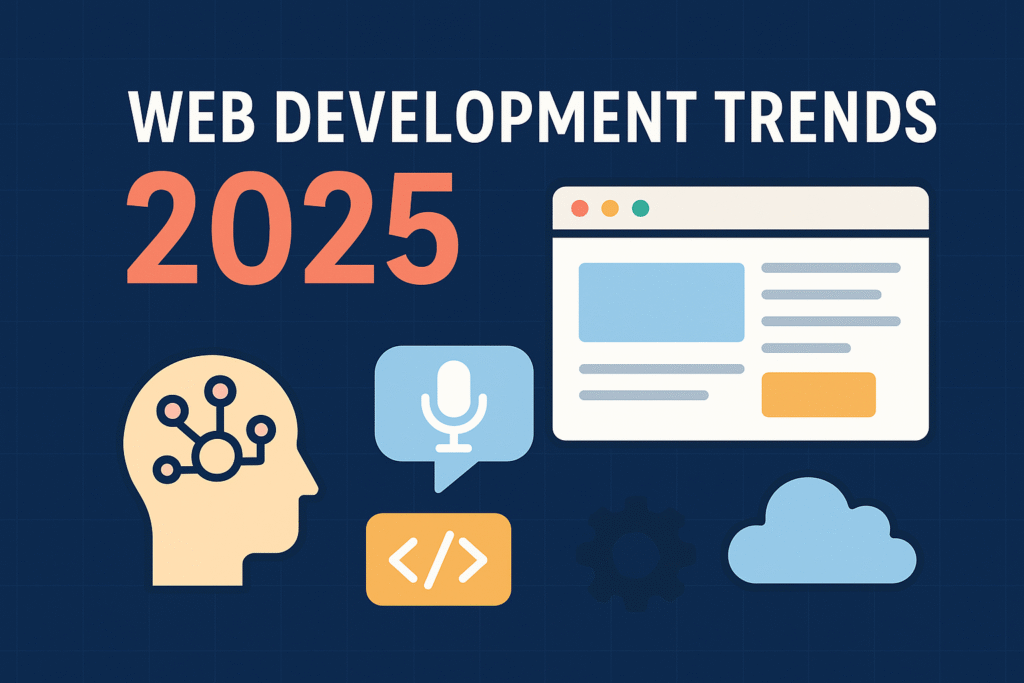
Websites aren’t just digital brochures anymore. They’re powerful tools for connection, sales, and trust. If you run a business (in the UK, Saudi Arabia, or anywhere), keeping up with what’s trending in web development is critical. In 2025, several shifts are happening fast — some are subtle, others game-changing. Here are the trends you need to know now, plus ideas on how to take advantage. 1. AI-Powered Personalization As visitors come to your site, they expect it to “know” something about them. AI tools are now good enough to show content, products, or offers tailored to who someone is, where they are, and how they’ve behaved before. Whether you run an e-commerce store or a service brand, using AI personalization can lift engagement and conversions significantly. How to use this:Use behaviour data (e.g. pages visited, past purchases) to change banners or recommended products. Consider chatbots that give different answers based on who’s asking. 2. Voice Search & Voice UI “Hey Alexa…” “OK Google…” People are increasingly expecting to speak, not type. Voice search and voice user interfaces are reshaping how you structure content. If your site is not optimized for natural language queries (questions people actually say), you’re missing out. How to use this:Write content more conversationally. Use FAQ-style headings. Optimize for “long tail” queries like “how to hire a web developer in Riyadh” rather than “web developer Riyadh”. 3. Progressive Web Apps (PWAs) PWAs combine the best of websites and apps: fast loading, offline mode, push notifications, smooth user experience. They work really well in places with spotty internet or where users are on mobile devices. If your site or service can benefit from app-like behavior (without building a native app), PWA is an excellent route. 4. Low-Code / No-Code Tools Not every business has a big dev team. Low-code and no-code platforms allow non-technical people (or small teams) to build, test, and iterate quickly. For startups or local businesses in Saudi Arabia or the UK, that’s a huge advantage — you can launch faster, test ideas without big risk, and save on developer hours. 5. WebAssembly for High Performance Some web tasks require more speed: image editing, games, 3D rendering, etc. WebAssembly (WASM) is filling that gap by letting developers run more powerful code in the browser (often compiled from languages like Rust, C++, etc.). If you want to push performance without compromising experience, this is something to watch. 6. Serverless & Edge Computing Instead of managing servers, many websites are using serverless architecture and edge computing: hosting logic closer to the user, scaling automatically, paying only for what’s used. This reduces latency (site loads faster), reduces overhead, and improves reliability. For global audiences (UK, Saudi Arabia, elsewhere), this means better user experience everywhere. 7. Dark Mode & Sustainability in Design Users now expect dark mode options—not just because it looks cool, but because it’s easier on the eyes, especially at night, and can save device battery. Also, sustainability is becoming more than a buzzword. Things like efficient code, optimizing images, using green hosting, reducing waste (in code, media, etc.) are more important. Consumers are noticing. 8. Accessibility & Inclusive Design People with disabilities, older users, users with slower connections – they all need to be considered. Features like keyboard navigation, readable fonts, color contrast, alt-texts, voice navigation, etc., are required both from a moral and increasingly legal perspective. In many places including the UK, accessible design isn’t optional; it’s expected. 9. Motion UI & Micro-interactions Small animations, hover effects, transitions, loading indicators—these are not just ornamentation. They guide users, make the interaction feel smoother and more polished, and often increase trust. The key is subtlety: don’t overdo it. Every motion should serve a purpose. 10. Advanced Security & Privacy Measures Cyber threats keep evolving, and users care about privacy more than ever. HTTPS, GDPR compliance, secure authentication (multi-factor, possibly biometric), encryption, regularly updating software — these are not optional features, they’re essentials. A site with good security builds trust, keeps Google happy, and avoids costly problems. What These Trends Mean for Your Business How to Get Started: A Simple Plan Conclusion 2025 isn’t far off, and web development is moving fast. The trends above aren’t just “nice to have” — many of them are becoming expectations. For your site to stay relevant, trusted, and conversion-friendly, it’s time to move beyond just showing up on the web. Think performance, inclusivity, user-centred features. If you lean into these trends ahead of many competitors, you’ll not only meet expectations — you’ll exceed them.


Uncategorized

Web Development for New Businesses. Looking To Start

Get Your Website Ready In Days With This Simple Guide Table of Contents Starting a new business in today’s digital world means you need more than just a great idea – you need a strong online presence. Web development has become the backbone of successful startups, especially in competitive markets like London. Whether you’re an entrepreneur with your first venture or expanding an existing business, understanding how to approach website creation can make or break your online success. Why Web Development Matters for Your Startup {#why-web-development-matters} Every successful startup needs a professional website. In London’s fast-paced business environment, customers expect to find you online before they even consider your services. Your website serves as your digital storefront, operating 24/7 to attract potential customers and showcase what makes your new business special. Web development goes beyond creating a simple online brochure. It’s about building a platform that grows with your startup, handles increased traffic, and provides the functionality your customers need. A well-developed website can: Many entrepreneurs underestimate how much their website impacts their business success. Studies show that 75% of consumers judge a company’s credibility based on their website design. This means your web development choices directly influence whether visitors become customers. Contact Today Understanding the Basics of Web Development {#understanding-basics} Web development involves two main areas: frontend and backend development. As a new business owner, understanding these basics helps you make informed decisions about your website project. Frontend Development Frontend development creates everything visitors see and interact with on your website. This includes: Frontend technologies include HTML, CSS, and JavaScript. These work together to create the user experience that represents your brand online. Backend Development Backend development handles the behind-the-scenes functionality that makes your website work: Popular backend technologies include PHP, Python, Node.js, and various database systems like MySQL or PostgreSQL. Content Management Systems (CMS) Most startups benefit from using a Content Management System. These platforms combine frontend and backend development into user-friendly packages. Popular options include: Choosing the Right Web Development Approach {#choosing-approach} Your startup’s web development approach depends on several factors including budget, timeline, technical requirements, and long-term goals. Template-Based Solutions Using pre-designed templates is the fastest and most budget-friendly option for new businesses. Modern templates are professionally designed and include essential features most startups need. Benefits: Drawbacks: Custom Web Development Custom development means building your website from scratch, tailored specifically to your business needs. Benefits: Drawbacks: Hybrid Approach Many successful startups use a hybrid approach, starting with a customizable platform and adding custom features as needed. This might involve: Essential Website Features for New Businesses {#essential-features} Every startup website needs certain core features to compete effectively online. Here’s what you should prioritize: Professional Design and Branding Your website design should reflect your brand identity consistently. This includes: Clear Navigation Structure Visitors should find what they’re looking for within three clicks. Essential pages include: Mobile Responsiveness Over 60% of web traffic comes from mobile devices. Your website must work perfectly on smartphones and tablets. This means: Search Engine Optimization (SEO) Your website needs to be found by potential customers searching online. Basic SEO includes: Contact and Lead Generation Make it easy for potential customers to get in touch: Security Features Protecting your website and customer data is crucial: London’s Web Development Landscape {#london-landscape} London offers unique opportunities and challenges for startup web development. As one of Europe’s major tech hubs, the city provides access to skilled developers, innovative agencies, and cutting-edge technologies. Local Market Considerations London businesses often serve diverse, international audiences. Your website should consider: Networking and Resources London’s startup ecosystem provides excellent resources for entrepreneurs: Local SEO Advantages Being London-based provides specific SEO opportunities: Cost Considerations for Startup Websites {#cost-considerations} Understanding web development costs helps you budget effectively and make smart decisions for your new business. Initial Development Costs Template/DIY Solutions: £20-200 per month Semi-Custom Development: £2,000-8,000 Fully Custom Development: £8,000-25,000+ Ongoing Maintenance Costs Many entrepreneurs forget about ongoing website costs: Monthly Essentials: £50-200 Professional Maintenance: £200-500 monthly Return on Investment A well-developed website pays for itself through: Most startups see positive ROI within 6-12 months when their website is properly developed and marketed. Common Web Development Mistakes to Avoid {#common-mistakes} Learning from other entrepreneurs’ mistakes can save you time, money, and frustration. Choosing Price Over Value The cheapest web development option often costs more in the long run. Problems include: Instead, focus on value. A slightly more expensive solution that works reliably saves money over time. Ignoring Mobile Users Many startups still design primarily for desktop computers. This is a critical error because: Overcomplicating the User Experience Entrepreneurs often want to showcase everything their business offers, leading to cluttered, confusing websites. Successful sites focus on: Neglecting SEO from the Start Many businesses treat SEO as an afterthought, but it’s much easier and more effective to build it in from the beginning: Launching Without Testing Rushing to launch without proper testing leads to embarrassing problems: Always test your website thoroughly on multiple devices and browsers before going live. Building Your Website: DIY vs Professional Services {#diy-vs-professional} Every entrepreneur faces this decision: build it yourself or hire professionals? Both approaches have merit depending on your situation. When DIY Makes Sense Consider building your own website if you: DIY Success Tips: When to Hire Professionals Professional web development makes sense when you: Choosing the Right Developer: Hybrid Approach Benefits Many successful startups combine both approaches: Maintaining Your Business Website {#maintaining-website} Web development doesn’t end when your site launches. Ongoing maintenance keeps your website secure, fast, and effective for your growing business. Essential Maintenance Tasks Security Updates (Weekly): Performance Monitoring (Monthly): Content Updates (Ongoing): SEO Maintenance (Monthly): Tools for Website Maintenance Free Tools: Paid Tools: When to Redesign Most business websites benefit from major updates every 2-3 years. Consider redesigning when: Future-Proofing Your Web Development Investment {#future-proofing} Smart entrepreneurs think beyond their immediate needs when planning web development projects. Building with the future in mind saves money and prevents major rebuilds. Scalable Architecture Choose development approaches that

Scroll to Top